
Dentist in Woodlawn
 Nearly everyone has at least one habit that they wish they could break. Did you know that some of them can affect your oral health? Here are a few common habits and tips for how to break them.
- Nail Biting
Why it’s harmful: Your dental health may suffer from nail biting by possibly chipping your teeth or impacting your tooth. You place pressure on your jaw when you leave it in a protruding position for long periods of time. You could also tear or damage your gums.
The solution: Some patients find it helpful to wear a mouth guard to deter form nail biting. Other ways to reduce nail biting include using therapy techniques, reducing stress, or applying bitter tasting nail polish.
- Brushing Too Hard
Why it’s harmful: It’s best to brush your teeth for two minutes at least twice a day. Make sure to not brush too hard since this can lead to damage to the teeth and gum irritation. When you brush too hard, you risk gum recession and not cleaning your teeth efficiently.
The solution: Instead of brushing hard, use a soft toothbrush and apply a proper pressure. Let your toothbrush bristles touch your gums at a 45 degree angle and reduce the force of your brush on your gums.
- Grinding and Clenchin
Why it’s harmful: This can chip or crack your teeth as well as cause muscle tenderness and joint pain. You may also experience a painful sensation when chewing or inability to open your mouth wide.
The solution: Stay aware of your teeth grinding and clenching and use relaxation exercises to keep from doing both. A mouthguard can also help protect you from grinding your teeth while you sleep. This will reduce any tooth pain, or muscle soreness and give you a better sleep. Our dentist can provide recommendations for how to combat teeth grinding.
- Chewing Ice Cubes
Why it’s harmful: Tooth enamel and ice are both crystals. When you push two crystals against each other, it can cause one to break. This may be the ice and sometimes it may be the tooth.
The solution: Try drinking beverages without ice or use a straw instead.
- Constant Snacking
Why it’s harmful: If your diet consists heavily of sugary foods and drinks, you are at a higher risk of forming cavities. The cavity-causing bacteria feast on leftover food and produces acid that attacks the outer shell of your teeth.
The solution: To reduce snacking, eat balanced meals so that you can feel fuller, longer. You should avoid sugary foods when snacking. If you are tempted to eat the occasional sugary snack, just make sure to drink a glass of water after to wash away the leftover food.
- Using Your Teeth as a Tool
Why it’s harmful: Using your teeth as a tool to hold items, open bottles, cut through thread, or other functions can put you at risk for chipped or broken teeth or jaw injuries.
The solution: Your teeth should never be used to hold or open items or to cut things when you don’t have scissors at your disposal. Look for your scissors or find someone that can give you a hand. Your mouth will thank you for it and you’ll be saving yourself from potentially costly and painful dental complications.
Contact our office to schedule your next dental appointment.
 A canker sore can make eating, drinking, and talking difficult and even painful. Maintaining your oral health by brushing and flossing may also be difficult with a sore in your mouth, but keeping up with your daily oral hygiene routine is an important step in the healing process. We’ve put together a short guide to everything you need to know about canker sores.
 Loose teeth, bad breath, and painful, bloody gums – these are among the signs and symptoms of periodontal, or gum, disease. Unfortunately, periodontal disease can also begin without any obvious symptoms. If left undiagnosed or untreated, you could be at risk for irreparable damage to your teeth and gums. The good news is that periodontal disease is preventable. In fact, one of the most effective tools for preventing the disease only takes a minute of your time each day.
 We use our tongues every day to talk, taste, and swallow, yet we rarely take time to think about this flexible organ. Here are 9 things you may not know about the tongue:
 When you are traveling, it can be challenging to keep up with your usual daily routine. For many people, this can include having difficulty finding the time to properly brush and floss. Whether you are traveling for business or pleasure, we have gathered a few helpful tips to help you stay on track with your oral health while you are away from home.
 X-rays provide useful visual data for dentists to utilize when treating you. Occasionally, guests to our office ask about the radiation from x-rays and the dangers associated with high-exposure. Rest assured, a dental x-ray is one of the safest medical imaging procedures there is. Here’s what you need to know about getting a dental x-ray.
 Before, during, and after cancer treatment it is necessary to keep up with your oral health routine. Cancer and cancer treatments can impact your mouth, so talk to our dentist about your specific treatment and what you can do to keep up with your oral health. Here are a few points to consider.
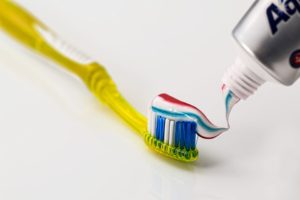 When buying a toothbrush, toothpaste, or coming in to our office, you often hear the word “plaque” associated with the health of your teeth. Plaque is one of the main reasons why it is so important to keep up with a daily oral hygiene routine that includes brushing two times each day for at least two minutes, and flossing regularly as well. Here’s what you need to know about plaque and what it can do to your smile.
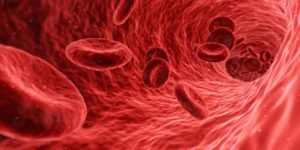 Blood thinning medications are helpful in regulating your body to prevent heart attacks, strokes, and other serious issues. However, if you are scheduled for oral surgery, it is vital that our oral surgeon is aware of all medications you are using.
 In some cases, our doctor might suggest you visit an endodontist for an apicoectomy. An endodontist is a dentist who specializes in root canal therapy. In certain situations, it is helpful for a patient to receive treatment by a professional who specializes in this area.